

Hjartblóð
Fragments of Norse myth, and what they knew about the heart

Track generated with Suno. The lyrics have been reshaped from the text below to fit the rhythm and weight of the music.
They say strength belongs to stone.
Yet Hrungnir’s heart was unlike any other.
Hrungnir átti hjarta þat, er frægt er, af hörðum steini ok tindótt með þrimr hornum.
Hrungnir had a heart of hard stone, spiked with three points.
Hard enough to meet the hammer of a god.
Hard enough that no one saw it move.
They say size makes a giant.
When they shaped Mokkurkálfi from earth and clay, they gave him the height of pines and the shadow of a mountain.
But inside:
ekki fengu þeir hjarta svá mikit, at honum sómði.
they found no heart great enough.
fyrr en þeir tóku úr meri nökkurri.
until they tore one from a mare.
When Þórr came, the mountain forgot how to stand.
They say courage belongs to the sword.
First they brought Högni a heart.
Hér hefi ek hjarta Hjalla ins blauða, ólíkt hjarta Högna ins frækna, er mjök bifask, er á bjóði liggr.
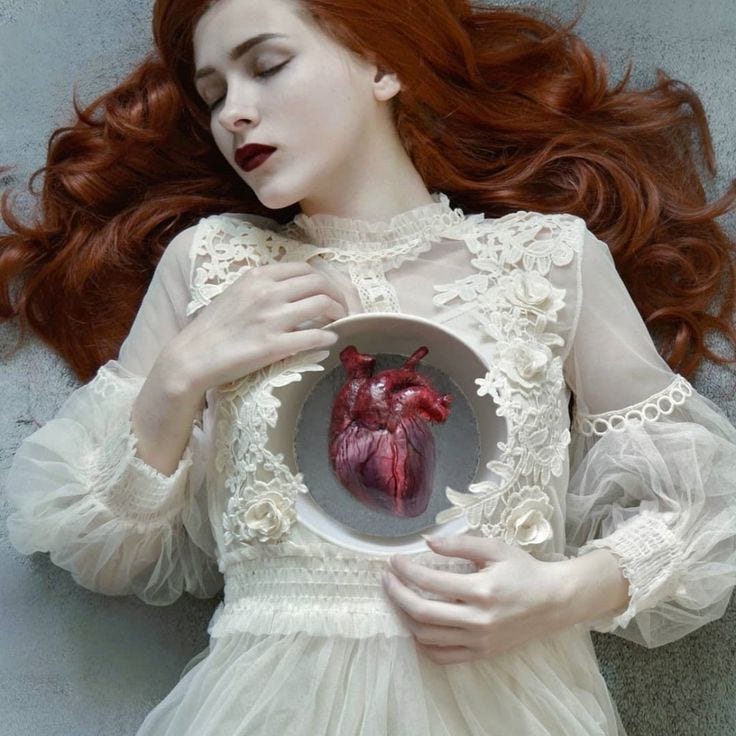
Here is the heart of Hjalli the coward. See how it trembles upon the plate.
They cut again.
Hló þá Högni, er til hjarta skáru.
Högni laughed as they cut to his heart.
Then they put them on the plate.
Hér hefi ek hjarta Högna ins frækna, ólíkt hjarta Hjalla ins blauða, er lítt bifask, er á bjóði liggr.
Here is the heart of Högni the brave. See how little it trembles upon the plate.
Two hearts.
One would not stop shaking.
The other would not.
They say wisdom lives in the mind.
Then why, when Sigurðr roasted the dragon’s heart:
En er frauðit rann ór hjartanu á fingrinn, þá brann hann ok drap fingrinum í munn sér.
The froth ran from the heart onto his finger; he was burned and thrust his finger into his mouth.
Then:
En er hjartablóðit kom á tunguna, þá kunni hann fuglsrödd ok skilði, hvat igðurnar sögðu, er sátu í viðnum.
When the heart’s blood touched his tongue, he knew the speech of the nuthatches.
The old ones had another word.
hugr.
What steps into darkness before feet dare follow.
What wolves cannot bite, the sea cannot drown, fire cannot burn, time cannot yield.
Even Óðinn said:
Hugr einn þat veit, er býr hjarta nær, einn er hann sér of sefa.
Only hugr knows what dwells nearest the heart; alone it knows its own mind.
Not even the all-knowing god could see a heart from the outside.
So I ask again:
Where does the heart dwell?
In flesh?
Then why does it outlive flesh, trembling on a plate?
In blood?
Then why does blood forget?
In stone?
Then why does stone learn fear, and a giant’s borrowed heart cannot hold its ground?
In wisdom?
Then why must wisdom be tasted before it speaks?
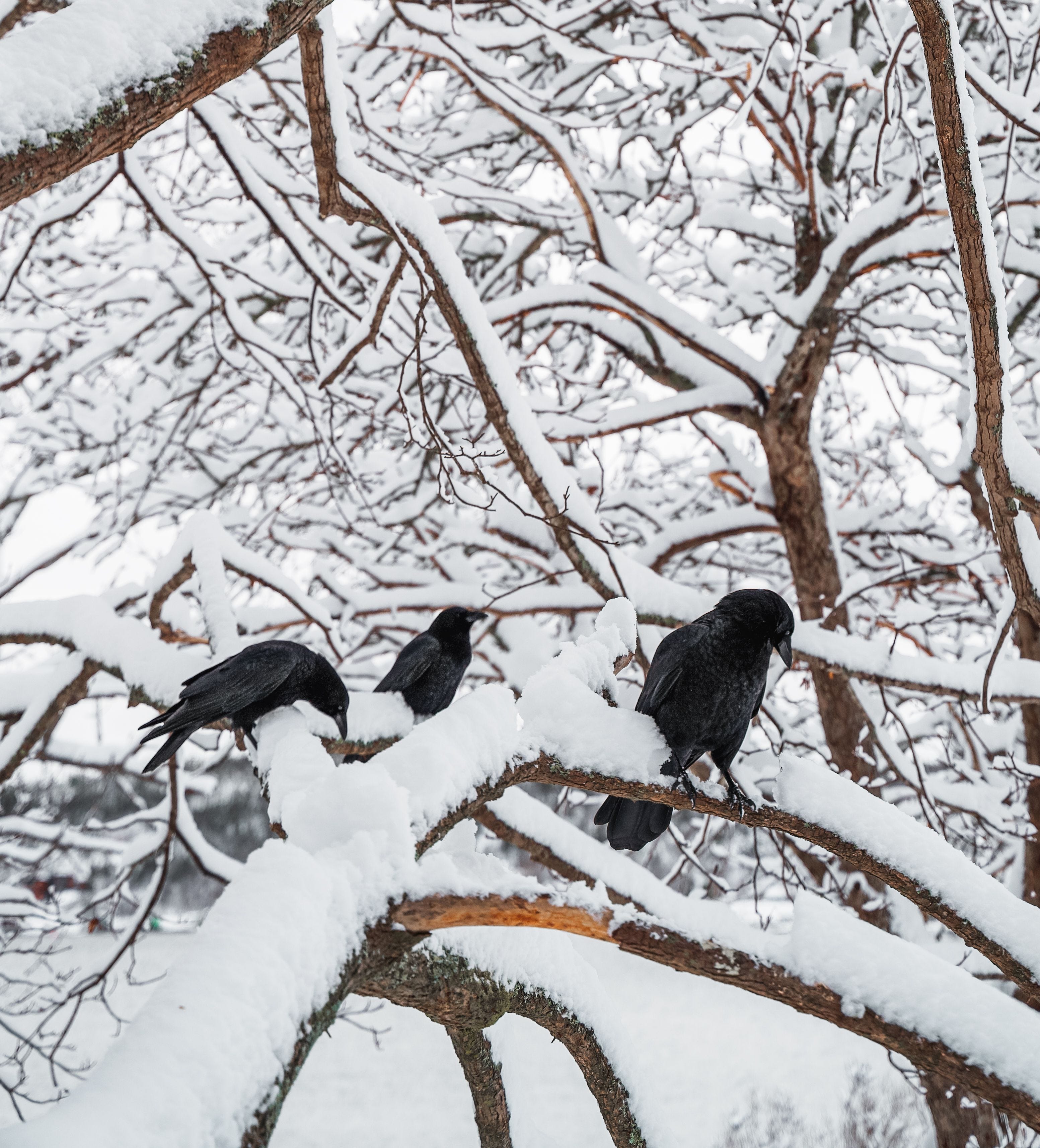
Ask the raven.
Ask the pine roots drinking from bones.
Ask the sea that remembers every keel.
Ask the mountains that buried kings.
None of them carry a heart.
All of them know one when they meet it.
That is why the old songs never tell where the heart is.
Only where it remains.
All Old Norse lines are drawn from primary medieval sources: Snorri Sturluson's Skáldskaparmál (Hrungnir, Mökkurkálfi, Sigurðr), the Poetic Edda's Atlakviða (Högni, Hjalli), and Hávamál (stanza 95). English renderings are my own.
Thanks to Labyrinthia Mythweaver for the prompt that inspired this piece
More about Marble & Ember
Reading and sharing are already gifts. If you’d like to support Marble & Ember, you can also make a pledge or buy me a coffee. Thank you for helping this project grow.
Click here to pledge.
Buy me a Coffee

New here? Begin with:
The Mystery (Marble) — A cinematic dark fantasy story

The Wit (Carnival) — A Gothic tale of Victorian sabotage

The Heart (Ember) — A literary essay on being human

Thank you for reading between the lines. I hid the answer (my answer) in the song ☺️
This was a very striking piece of work. I really enjoyed hearing the old Norse - I loved studying old English and mythology at university. This was a valuable experience.